

Summer Is Quiet. Reputation Risk Didn't Get the Memo.
Because reputational crises don't book time off.
The paradox sits at the center of summer business strategy: the same conditions that make July feel quiet — reduced oversight, skeleton crews, slower internal communication — are precisely what make companies vulnerable. This isn't bad luck. It's a predictable structural gap that businesses consistently underestimate, and one that companies with mature reputation programs plan for explicitly.
Why Low Season Creates Peak Exposure
When competitive noise drops, any incident involving your company gets disproportionate attention. A story that might be buried in November becomes a headline in a slow July week. Media outlets actively hunt for material during this period. A corporate incident in a quiet news cycle doesn't become a footnote — it becomes the story.
This is a consistent operational pattern, not an anomaly — and it's one that companies with proactive monitoring programs factor into annual planning. The gap isn't in awareness. It's in coverage.
What Reputation Risk Actually Means
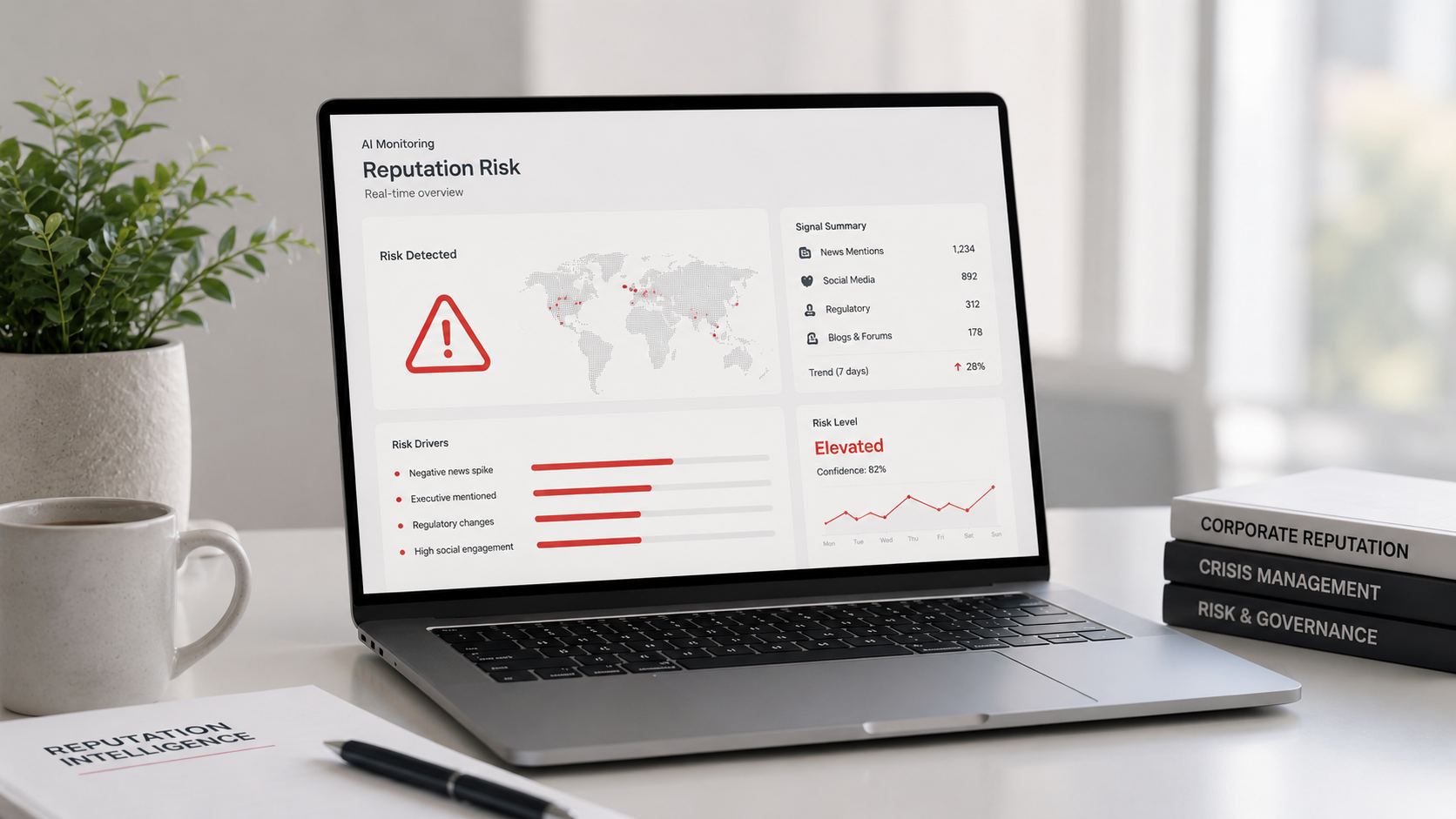
Reputation risk is the probability that company actions, employee behavior, or external events will damage how audiences, partners, and investors perceive the brand. It's not a PR abstraction. It's an operational reality that directly affects revenue, valuation, and long-term stability.
The critical difference from financial risk: financial exposure is typically measured in advance. Reputation risk usually surfaces only after damage has begun — which makes it structurally more dangerous for businesses that don't maintain continuous monitoring.
Several categories consistently drive reputational incidents:
How employees communicate with customers — in service interactions, on personal social media, in any public-facing context — directly shapes brand perception. A single post, a discriminatory customer interaction captured on video, or a comment that contradicts official company positions can spread across platforms faster than any response team can mobilize. This category is one of the most underestimated sources of reputational damage, particularly when internal oversight is reduced during summer operations.
Customer data breaches generate not only regulatory consequences but long-term trust crises. Audiences treat these incidents as a direct violation of their agreement with the company — and rebuilding that trust takes significantly longer than preventing the breach.
Negative content spreads measurably faster than positive content across social platforms, and a single piece published during a low-competition attention period receives outsized reach. The compounding effect — media coverage driving social amplification driving search visibility — means the damage window extends well beyond the initial incident.
Publicly traded companies see stock prices react to reputational events faster than PR teams can prepare a response. For private companies, reputational damage dismantles narratives built over quarters of investor and partner conversations. Markets price in reputational risk well before official statements — which means the cost of delayed response compounds in real time.
Get My Reputation Report
Reputation House is an international technology company for digital risk protection. We map how you appear across search, AI, and media and turn it into a clear reputation report.
The Employee Risk Gap Nobody Plans For
One pattern recurs consistently in summer reputational incidents: reduced internal oversight creates conditions where employee-driven risks go undetected longer than they would during normal operations.
The specific scenarios that generate exposure include:
Companies with mature reputation programs address this through clear communication protocols, defined escalation paths, and monitoring systems that operate independently of who is in the office. The goal isn't to surveil employees. It's to detect signals early enough to respond before a contained incident becomes a public event.
Building a System That Works When the Team Is Half-Present
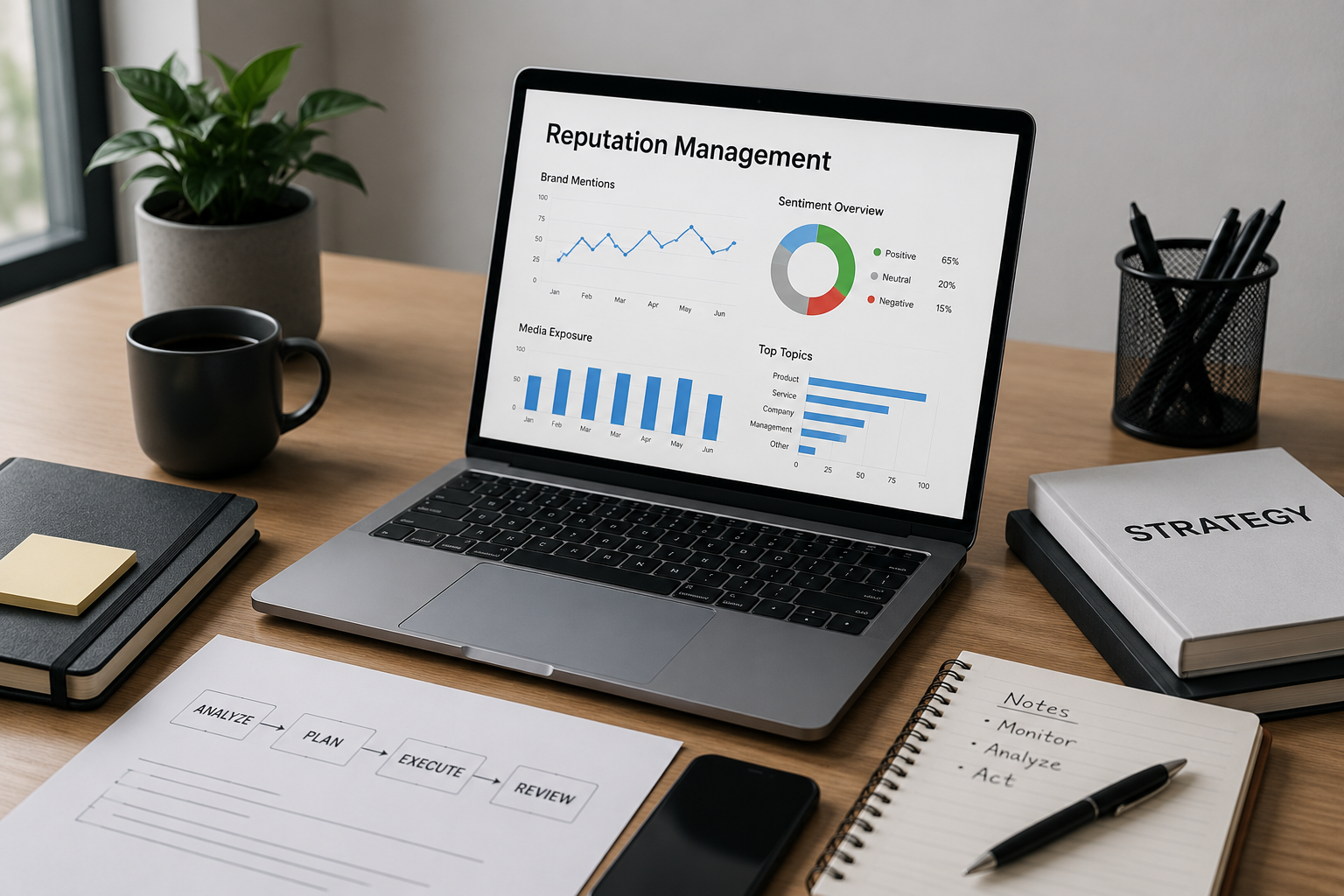
Effective reputation risk management means building infrastructure that operates regardless of vacation schedules. That's not a reactive posture — it's the baseline for any business that takes the category seriously.
The first practical step is a full risk audit:
This isn't an abstract exercise. It's the map your team uses when the clock is running in hours, not weeks.
According to Reputation House, companies that conduct proactive reputation audits before a crisis respond faster, contain damage more effectively, and recover audience trust in materially shorter timeframes than those that begin assessment only after an incident starts.
Risk Check provides exactly this: a structured assessment of where your brand stands before an event forces the question. Acting before a crisis is always cheaper — in money, in time, and in audience trust — than responding after one has already started shaping the story.
Reputation doesn't manage itself in July. The question isn't whether to monitor — it's whether you find out about a developing situation in time to shape the outcome, or after it's already shaped your brand.
Find out where you're exposed before anyone else does. Run a Risk Check at checkmyrisks.com now.
Take Action
Know your reputation exposure before road show week
The management work has to happen upstream — in the 12 to 18 months before the offering. Run a structured reputation risk assessment now, and map what investors, analysts, and underwriters will find before they find it — while there's still time to shape the information environment.FAQ


Kristina joined Reputation House in 2022 as Account Director and moved through Operations to become COO before being appointed CEO in 2026. She drove the company's shift from a reputation agency to a technology-driven digital risk management platform. Her expertise spans operational scaling, technological transformation, and international business development in the reputation and digital risk space.