


For a Head of Reputation Management in the trading or fintech sector, 2026 has introduced a volatile new reality. We define it as "Fragility Mode." In this state, your brand isn’t just competing on product features; it is operating in a hyper-active information field where trust is the most expensive and easily depleted currency. According to the 2026 Edelman Trust Barometer, while general trust in financial institutions has seen a slight uptick, a massive "certainty gap" remains for high-risk digital assets and trading platforms. Investors today are "guilt-testing" brands long before the first conversion.
The stakes are no longer just about "bad PR." They are financial. The 2025 IBM Cost of a Data Breach Report highlights that for the financial sector, the cost of a reputation-linked incident has climbed to a record high, as retail traders are now quicker than ever to abandon platforms at the first sign of institutional "noise" or regulatory friction.
The Shift to Digital Risk Protection
We are seeing a fundamental shift from traditional SERM to comprehensive digital risk protection for finance. Why? Because the "Zero Moment of Truth" has moved.
- AI-Search as the Gatekeeper: With the rise of Search Generative Experience (SGE), Gartner predicts that by 2026, traditional search volume will drop by 25% in favor of AI-driven answers. If ChatGPT or Perplexity flags your brand as "unreliable" based on a single unresolved Reddit thread, your funnel dies before it begins.
- Active Crisis Management: In high-risk trading, you don't have the luxury of a 24-hour response cycle. Digital crisis management in finance now requires real-time pulse-checking across multi-GEO jurisdictions.
In this article, we will break down how LPRs can transition from reactive defense to Proactive Brand Protection in an era where trust is won or lost before the first touch.
The Multi-GEO Paradox: Why a Global License is Not a Global Shield
For a global trading platform, reputation is not a monolith—it is a fragmented mosaic. A common mistake for many LPRs is assuming that a Tier-1 license (such as CySEC or FCA) provides a universal "reputation shield". In reality, digital risk protection for finance in 2026 requires a hyper-localized approach.
A regulatory warning or a surge of negative sentiment in one jurisdiction (e.g., a localized warning in a specific EU country) no longer stays within those borders. Because of how search engines and AI models aggregate data, a localized crisis in a secondary market can "contaminate" your brand’s standing in your primary regions within hours.

Because of how search engines and AI models aggregate data, a localized crisis in a secondary market can "contaminate" your brand’s standing in your primary regions within hours. For instance, in 2025, we observed a case where a LATAM regulatory warning triggered a 17% drop in UK organic conversions within just 72 hours, driven entirely by AI aggregation of cross-GEO signals. This proves that your reputation is only as strong as your weakest regional link.
We recommend you: Implement a multi-layered monitoring system that tracks "Regional Settings" and sentiment shifts in real-time. This prevents "Reputational Contagion," where a localized issue in LATAM starts appearing in Google UK or Singapore search results.
Regional Settings & Market Nuances
Trust triggers vary drastically from country to country. While the IOSCO 2025 Work Program shows a coordinated global push for retail investor protection, the way users check you differs:
- In Tier-1 Markets (EU/UK/US): Trust is built on technical compliance. Investors actively search for "Regulatory Checks." We recommend you ensure these positive regulatory interactions and compliance documents dominate the first page of search results for every region.
- In Emerging Markets (LATAM/SEA/MENA): Trust is often peer-led. Local review platforms carry more weight than official licenses. We recommend you prioritize these regional "authority hubs" to build trust before the user even considers clicking your ad.
Solving Trust Issues Before the "Touch"
The modern trader performs an average of 5 to 7 "reputation checks" before even downloading an app. This is the Zero Moment of Truth (ZMOT). If a potential client in Brazil sees a negative thread from a user in Germany, they won't stop to check if the jurisdictions are different—they will simply move to a competitor.
Focus on building a "Trust Buffer"—a proactive layer of positive, high-authority content and verified reviews. To manage this effectively across multiple borders, it is essential to utilize a professional Brand Reputation Service. This ensures that your digital footprint remains clean and consistent, regardless of which country the trader is searching from.
The Digital Risk Protection Framework for Trading Platforms
To maintain stability in "Fragility Mode," we recommend a layer architecture:
The Reddit Trap: Where Professional Reputation Meets Organic Chaos
In 2026, Reddit has become the ultimate "due diligence" engine. Because of its massive domain authority, a single thread titled "Is [Brand] a scam?" can outrank your official homepage for years. For a Head of Reputation Management, this is the most volatile front of digital crisis management in finance.
Traditional SEO often hits a wall here. Google’s latest updates increasingly prioritize "authentic perspectives," meaning a disgruntled trader's post on r/Forex is more likely to be featured in "Top Stories" than your corporate FAQ. In a high-risk information field, one negative engagement can trigger a cascade of "me too" comments that are nearly impossible to suppress once they gain momentum.
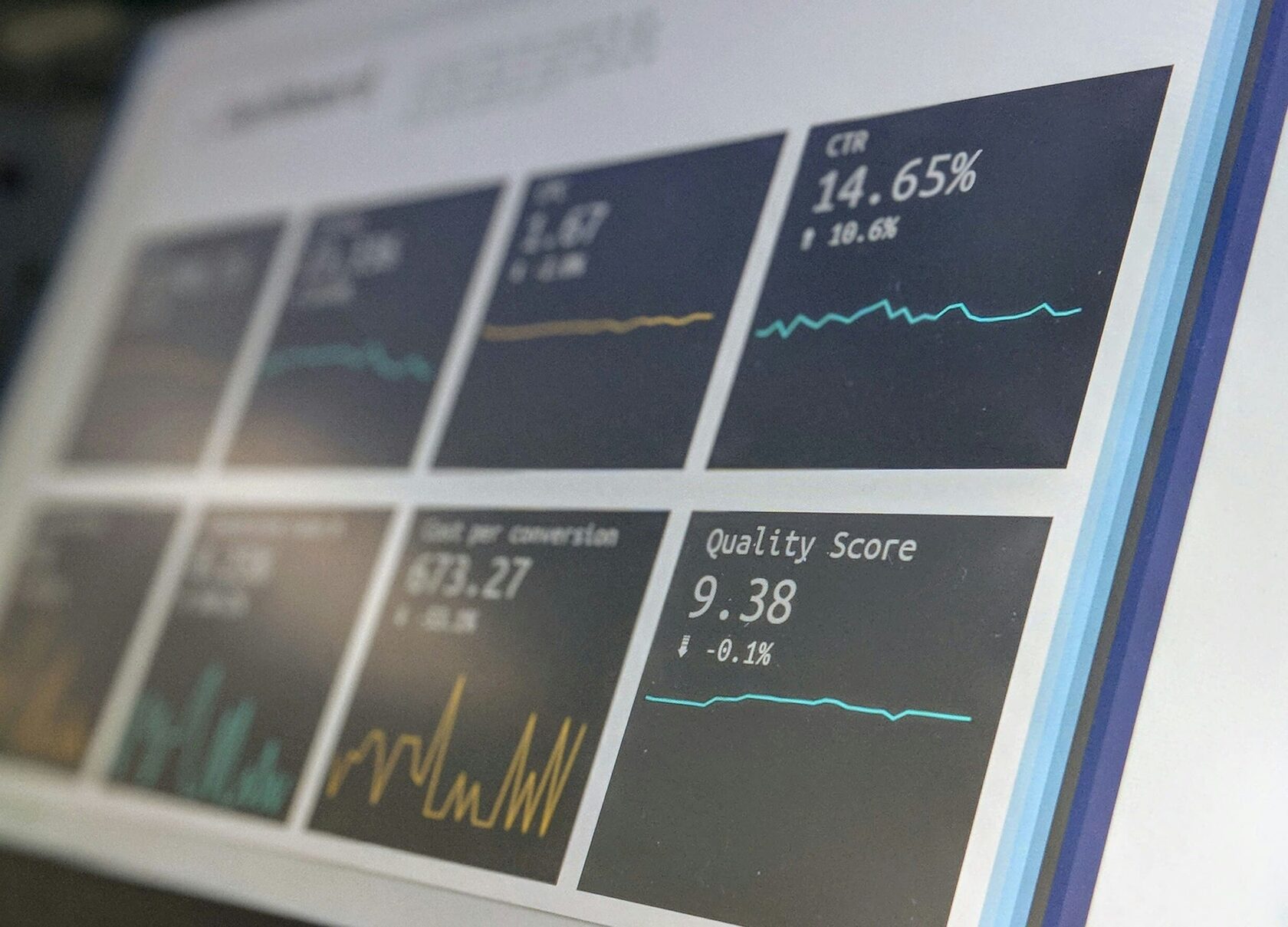
The most effective strategy isn't just monitoring, but active community stewardship. Establishing a verified, expert presence that solves technical issues in real-time allows you to neutralize threats before they become permanent digital scars.
Navigating the Maze of Localized "Review Nodes"
While global platforms are essential, the real damage often happens on local "dark" review sites that are specific to a single GEO. According to the 2025 Trustpilot Transparency Report, financial services have seen a significant 35% increase in coordinated review-bombing incidents globally.
Managing this requires a "Multi-Node" approach. If you are expanding in LATAM, ignoring Reclame Aqui is a fatal error; in Southeast Asia, localized finance forums are the primary source of truth. Instead of obsessing over a global average score, LPRs should identify and prioritize the top 3-5 local platforms that dominate the first page of search results in each specific country. This ensures that your digital risk protection for finance strategy is robust enough to handle regional spikes in negativity.
The Rating War and the Cost of Silence
Being absent from industry ratings (e.g., "Top 10 Trusted Brokers 2026") is often interpreted by investors as a lack of stability. In "fragility mode," if you aren't visible where your competitors are, the silence is deafening. Investors treat these rankings not as marketing, but as essential infrastructure.
To help brands navigate this complex ecosystem, we offer a Comprehensive Reputation Audit. This isn't just a surface-level scan; we analyze your standing across all localized review platforms, high-authority forums like Reddit, and—crucially—how your brand is being categorized by the latest AI search models. It’s the first step in moving from reactive firefighting to a proactive defense.
The AI Frontier: Why LLMs are the New Search Bottleneck
By 2026, the traditional search landscape has been disrupted. Investors are no longer just Googling "Is [Brand] reliable?"; they are asking ChatGPT, Google Gemini, and Perplexity for a risk assessment. In this environment, your reputation isn't a list of links—it’s a synthesized opinion.

The problem for high-risk trading platforms is that Large Language Models (LLMs) are trained on the very "noise" we discussed: Reddit threads, old regulatory warnings, and unverified reviews. If the AI "reads" a cluster of unresolved complaints, its final summary to a potential high-net-worth trader will be: "This platform has a history of withdrawal issues and regulatory friction."
The AI Defense Strategy: To survive the AI-search era, digital risk protection for finance must move beyond simple content creation. It requires:
- Data Saturation: Ensuring that high-authority, technical, and positive data points are indexed heavily enough to influence LLM training sets and RAG (Retrieval-Augmented Generation) processes.
- Authority Mapping: AI favors sources with high "Trust Scores." Maintaining a presence in Tier-1 financial media is no longer for vanity—it is a technical necessity to stay on the "safe" list of AI recommendations.
Moving Toward Proactive Digital Risk Protection (DRP)
The traditional model of "fixing the past" (SERM) is too slow for the 2026 market. In a state of "fragility mode," you need a proactive shield. This is where Digital Risk Protection (DRP) differs from classic reputation management. DRP isn't just about deleting a bad comment; it's about identifying a threat on a niche forum in Asia before it reaches the global AI training data.
A Global Shield for a Worldwide Market
In the high-stakes world of trading and fintech, reputation is your most valuable asset—and your most significant vulnerability. Managing it across multiple jurisdictions requires more than just a marketing agency; it requires a partner that understands the technicalities of digital crisis management in finance.
At Reputation House, we operate worldwide, providing a comprehensive DRP ecosystem designed specifically for LPRs who cannot afford a single hour of reputational downtime. We combine advanced AI-monitoring with deep human expertise to:
- Neutralize Threats: We stop "Reputational Contagion" across Multi-GEO borders.
- Secure the AI-Narrative: We actively manage how your brand is perceived by the next generation of search engines.
- Protect the Bottom Line: By securing the "Zero Moment of Truth," we ensure that your marketing spend actually converts into loyal traders.
Managing a "fragile" brand in a hyper-active information field is a 24/7 battle. We provide the intelligence and the tools to make sure you win it.
Frequently Asked Questions
1. What is Digital Risk Protection (DRP) and how does it differ from traditional SERM? Traditional SERM (Search Engine Reputation Management) is often reactive—fixing damage after it appears. Digital risk protection for finance is a proactive, 24/7 ecosystem. It’s not just about pushing down "bad links"; it’s about identifying threats on niche forums (like Reddit) or local review sites before they reach the mainstream or influence AI training data.
2. Why trading platforms lose trust in AI search? Trust is lost when AI models prioritize unresolved negative noise, Reddit threads, and old warnings over official corporate data. If your digital footprint is cluttered, AI will synthesize this into a "high-risk" summary for potential investors.
3. Why does my platform have a negative reputation online despite having a Tier-1 license (FCA/CySEC)? Algorithms and AI models prioritize user sentiment and "authentic perspectives" over official documents. If your digital footprint is cluttered with unresolved complaints or a "reputational contagion" from a secondary market, search engines may flag your brand as high-risk regardless of your legal compliance.
4. Can a single Reddit thread really impact my global conversion rates? Yes. In 2026, Google’s "Perspectives" and "Hidden Gems" filters give massive authority to community-driven content. A high-engagement Reddit thread can outrank your homepage, becoming a primary part of a trader's due diligence. Managing this requires active community stewardship, not just passive monitoring.
5. How to fix negative Reddit impact on conversion? Fixing Reddit requires moving from passive monitoring to active community stewardship. Establishing a verified presence to solve technical issues in real-time allows you to neutralize threats before they become permanent digital scars in search results.
6. How AI categorizes brokers? LLMs categorize brands based on a synthesized opinion of regulatory history, peer reviews, and the "Trust Score" of the media sources mentioning you. Maintaining a presence in Tier-1 financial media is a technical necessity to stay on the "safe" list of AI recommendations
7. How do AI search engines like ChatGPT or Perplexity categorize my trading brand? AI models are trained on historical data. If your brand has a history of unresolved negative noise, the AI will synthesize this into a "cautionary" summary for the user. Protecting your brand in the AI era requires "Data Saturation"—ensuring that high-authority, positive technical data is more prominent than organic noise.
8. How do I manage reputation in a country where I don’t have a local office? This requires a "Multi-Node" strategy. You must identify the 3-5 local platforms that act as "authority hubs" in that specific GEO (e.g., Reclame Aqui in Brazil). Managing these nodes in the local language is essential for digital crisis management in finance and maintaining trust across borders.
9. What is the first step in stabilizing a brand in "fragility mode"? The first step is a diagnostic one. You cannot fix what you cannot see. We recommend starting with a Comprehensive Reputation Audit that covers localized search results, forum sentiment, and—most importantly—how AI models currently perceive and describe your brand.