

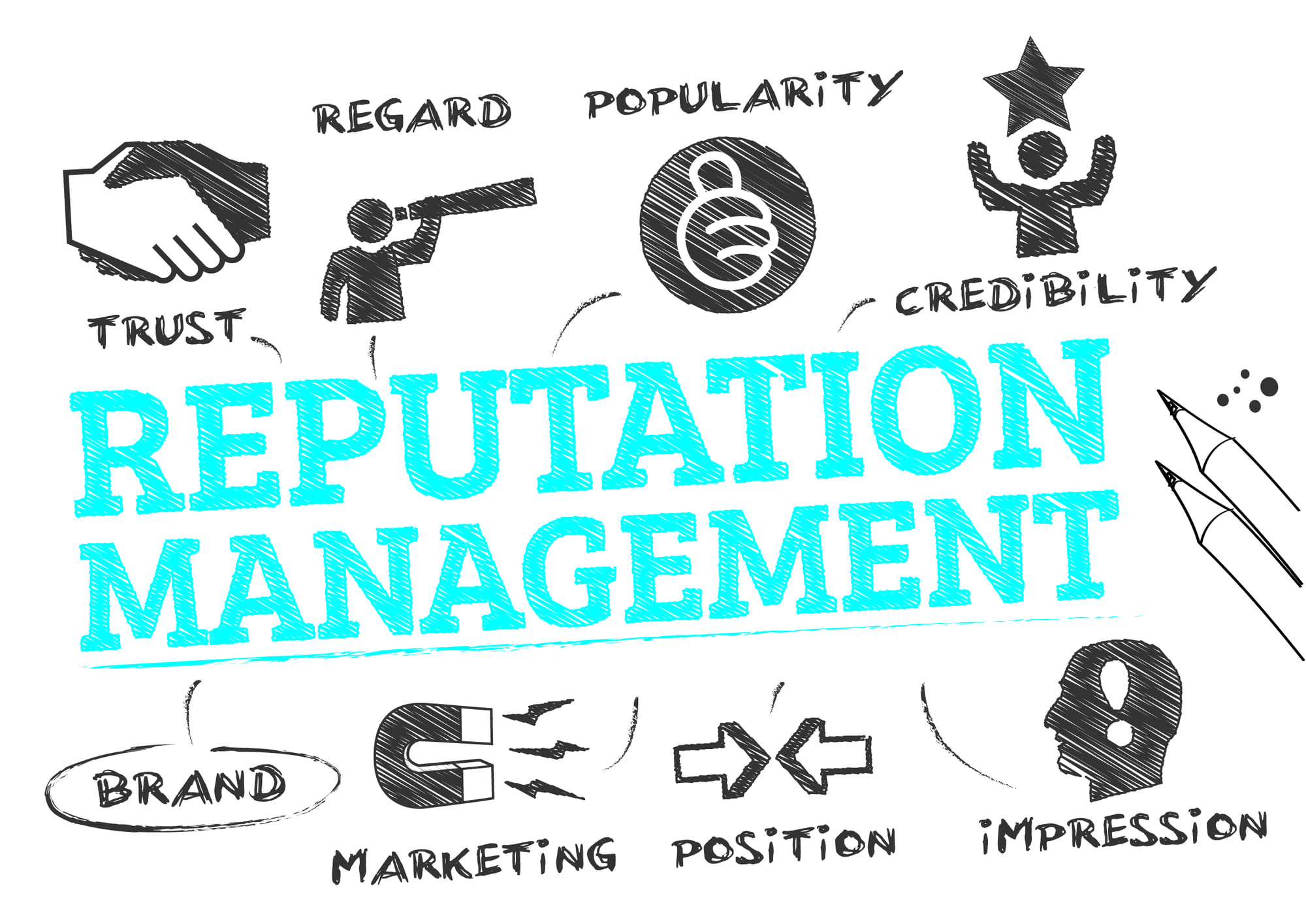
Your reputation is a business asset that search results, reviews, and social threads shape long before a sales call ever begins. In an era of decentralization, your image lives everywhere — from Google’s front door to niche Reddit threads. Understanding ORM is no longer optional; it is an everyday discipline required to build credibility and cushion against future crises . Is your current digital footprint helping or hurting your bottom line? Start your journey with a free reputation audit to map your search results, calculate sentiment, and identify quick-win opportunities to improve your brand position. This is why ORM strategy should connect prevention, monitoring, content assets, and response work instead of treating reputation as a one-time cleanup.
Short Overview Table
What is reputation management?
Reputation management is a structured system for watching, shaping, and improving the information that appears about a brand or person on the internet. Traditional public relations can place a single headline and legal teams can request removal of content that violates the law, yet online reputation management blends many more skills. It joins technical search-engine optimisation, review moderation, social listening, content production, and real-time data reporting in a continuous feedback loop. A mature program treats reputation as a business asset to cultivate every day, not a last-minute fire hose when trouble spreads.
The work unfolds across five practical pillars. First is search engine reputation management, often shortened to SERM, which lifts helpful and positive pages so they eclipse outdated or unfair links. Second is review care, where swift, polite replies lift star averages and show customers that both praise and complaints receive human attention. Third comes digital public relations that secures guest articles, podcast slots, and analyst quotes which then feed authority back into search results. Fourth sits educational content that answers frequent questions and earns featured snippets, rich cards, or video suggestions. Finally, monitoring dashboards scan keywords, hashtags, and ratings so teams see sentiment dip early and act before a spark becomes a blaze. Each pillar targets the same outcome: an accurate, useful, and persuasive story wherever a stakeholder might click. For a deeper breakdown of every stage, see the ultimate guide to reputation management.

Famous failures illustrate why this system matters. In 2009 a musician posted “United Breaks Guitars,” a song about airline baggage damage. The video went viral, search results filled with parodies, and United Airlines saw a noticeable brand dip because no response plan moved fast enough to counter the narrative. In 2010 Nestlé faced a Facebook backlash after critics linked its chocolate bars to unsustainable palm oil; a rigid, defensive reply policy fanned the anger and forced the brand to rebuild social trust from scratch. Domino’s Pizza learned a similar lesson when employees uploaded a prank kitchen video. The clip sat online for hours before leadership issued a statement, allowing news outlets to rank ahead of the company’s own content. More recently the 2017 incident of a passenger dragged from a United Airlines flight trended worldwide within minutes, and early corporate statements framed the event as a “re-accommodation,” a phrase consumers mocked across platforms. Each case shows that without coordinated SEO, review engagement, and rapid, transparent messaging, a single post can rewrite brand perception for years.
Don't wait for a "United Breaks Guitars" moment . Viral failures happen when brands lack a coordinated response plan and active monitoring . Our team can help you build a buffer of goodwill before a spark becomes a blaze. Get Your Free Reputation Audit & Risk Scan
Effective reputation management would have softened these blows. Positive videos, recent press wins, and active social listening could have occupied prime search positions, slowing the spread of negative clips. Pre-approved apology templates could have replaced defensive wording, while a routine of replying to every customer video within an hour might have demonstrated empathy. The lesson is clear. Reputation work is not optional insurance; it is an everyday discipline that builds credibility in calm times and buys forgiveness when mistakes occur.
Where your online reputation lives
Your reputation is not in a single place. Which makes sense, doesn’t it? One of the main benefits to our internet age is not just interconnectivity, but decentralization. Which should your online image be different? It propagates on social websites, third party sites and even your own digital resources. Considering the protection of your online reputation implies the control of all the following locations.
Search engines: The front door of Google and Bing is the first page. The combination of positive, neutral and negative results in the top ten links is the most important factor. One of the metrics is the percentage of positive or controlled URLs on page one.
Review sites: Rating sites like Google Business, Trustpilot, G2, TripAdvisor, and Glassdoor have ratings that are read in seconds by potential customers or applicants. Mean score of tracks, reviews per month and time taken to respond to negative reviews.
Marketplaces: Amazon, Etsy, the App Store, and Google Play all list products by quality scores among other factors. What you can do is try and keep track of product star rating, percentage of verified purchase review, and how quickly you respond to questions on the listing.
Communities and forums Industry forums, Reddit threads, and Discord channels provide consumers with a platform to exchange stories that rank highly on niche queries. If you’ve got the know-how, calculate the number of positive to negative mentions and record the presence of brand staff to correct misinformation.

Social media: Real-time perception is generated by main feeds and short-form content on platforms like X, LinkedIn, Instagram, and Tik Tok. The most important ones are positive comment share, follower growth, and the number of supportive creators who mention the brand without payment.
News and press outlets: Earned media headlines carry authority and appear in Google News boxes. Record headline sentiment, the number of tier-one mentions each quarter, and syndication reach.
Knowledge bases: Wikipedia pages, Google knowledge panels, and business directories summarise facts that journalists and investors often copy. Track accuracy of facts, date of last update, and citation quality.
Owned properties: Your own blog, help center, resource hub, and newsroom can rank for branded queries. Measure organic traffic, dwell time, bounce rate, and conversion actions such as demo requests generated from those pages.
How ORM works: from bottom to the top
ORM is a cycle. Data informs planning, planning drives actions, actions shift metrics, and metrics spark new insight. Understanding this loop shows what is reputation management in practice.
Audit and goals
Everything starts with a baseline audit. Analysts capture the current state of the search engine results page, review averages, social chatter, media coverage, and Wikipedia accuracy. They tag each mention as positive, neutral, or negative, then group findings by channel and keyword. With a clear picture in place, leadership sets goals such as raising the average Trustpilot score from three point four to four point two or relegating two hostile articles to page two. Target key performance indicators include sentiment share, keyword rank position, review volume growth, and time to first response.
Strategy
The strategy stage translates insights into a plan. The team decides which keywords and platforms deserve priority, what new assets will outrank negative items, and which journalists or influencers should hear the story. Content calendars lock in blog posts, videos, landing pages, and thought-leadership articles. Technical SEO tasks fix crawl errors and strengthen pages that deserve better visibility. Media lists group outlets by reach and relevance, and review response templates go through legal checks before they are needed.
Execution
Writers, designers, video editors, and engineers turn the plan into shipping assets. Blog posts tackle key pain points and tie back to the desired keywords. Guest articles run in respected media, adding both narrative weight and backlinks. Review responders log in daily to thank happy customers, solve complaints, and invite silent users to share feedback. SEO engineers tweak title tags, improve load times, and update internal links so search crawlers favor fresh content. Success shows up as higher positive link share, rising star velocity, new referring domains, and media inclusions that quote official spokespeople.

Monitoring and reporting
Once actions go live, dashboards track keyword movements, sentiment curves, and social volume. Automated alerts ping the team if a negative spike appears. Weekly or monthly decks summarise wins, gaps, and next actions. The strategy team then refines the plan, publishing more content in strong channels and adjusting tactics where metrics stall. Reporting metrics include alert response time, week-over-week sentiment change, media pickup rate, and share of voice in social conversation.
Personal reputation management
Individuals carry powerful influence. Personal reputation management is not about companies, and the stakes are sometimes even greater since the name searches are directly linked to trust. Entrepreneurs, managers, shareholders, consultants, and experts in their fields are all in need of clean search results, trustworthy profiles, and reliable biographies. The basic activities include getting byline articles or quotes in reputable sources, designing the Google knowledge panel with the correct information, keeping a professional LinkedIn feed with professional skills, and managing a friendly image on social networks. Media training helps leaders respond clearly in interviews, and keynote videos or podcast guest spots can outshine rumor threads that often rank high for personal names.
Why reputation is important for business
Some leaders still ask why is reputation important when they review marketing budgets. The answer sits in hard numbers. Consumers exposed to a five-star rating convert up to four times faster than those who see mixed or negative feedback. Higher trust lowers acquisition cost because prospects need fewer calls and content touches before paying. Positive press gives sales teams validation links they can drop into follow-up emails. Good employer reviews bring more qualified applicants at lower recruitment spend. A robust reputation also cushions crises by filling search results with balanced stories before negative news can dominate, reducing potential revenue loss and legal risk. Put simply, reputation shortens the path to purchase, attracts talent, and protects the balance sheet.
Quick metrics to track from day one
Launch day for any ORM project should include a simple spreadsheet that captures baseline figures.
Start with branded keyword sentiment in Google. Count how many of the first ten links are positive, neutral, or negative. Record the average star score on major review sites along with the number of new reviews posted in the last thirty days. Note your typical response time to negative feedback. Log branded search volume, which indicates overall awareness, and calculate share of voice in social media by comparing your mention count to key rivals. These numbers form the starting line. Improvements over the next quarter will prove whether tactics are moving the dial.
DIY versus hiring an ORM agency
Doing the work yourself is realistic when the scope is small, geography is local, and communications happen in one language. A local restaurant can handle review replies and Instagram posts without external help. An online retailer facing a few unfair blog posts can publish better content and reach out politely for corrections.
Hiring an agency makes sense once challenges grow complicated. Multi-region brands need native speakers who understand cultural nuance. Technical SEO fixes require skilled developers. Press outreach moves faster when handled by a team that already knows editors. Crisis situations demand consultants who have managed legal and regulatory fallout. When evaluating agencies, ask for case studies in your sector, transparent pricing with clear deliverables, a list of success metrics, language capabilities, an ethics policy that forbids fake reviews, and a defined communication rhythm so you always know what is happening.
FAQ about ORM
- What exactly is reputation management? It is a structured system for watching, shaping, and improving the digital information about a brand or person through a mix of SEO, PR, and social listening.
- Where does my online reputation live? It is decentralized across search engines, review sites (like Trustpilot or Glassdoor), marketplaces, social media feeds, and news outlets.
- Is ORM just about deleting negative content? No. Most platforms only remove content that violates policies. Ethical ORM focuses on adding accurate, helpful content and engaging directly with reviewers .
- How long does it take to see results? While review scores might improve in weeks, shifting search engine results typically takes three to six months as crawlers need time to reindex content .
- How can I measure the success of an ORM program? Success is measured through numeric metrics like the percentage of positive links on page one, average star ratings, and sentiment change over time .
Conclusion and next step
Reputation is not an abstract cloud. It is a collection of search results, star ratings, headlines, and social comments that anyone can measure, influence, and improve with steady effort. The key steps of a successful ORM program include auditing all channels to know the existing facts, having clear targets that are consistent with the revenue targets, publishing strategic content that responds to real questions, and then measuring progress with transparent metrics that are open to all. Once this cycle is repeated quarter after quarter, a brand will have a buffer of goodwill that will reduce the cost of acquisition, increase the conversion rate, and lessen the effect of the next surprise issue.
In case you aren’t certain about your brand position right now, ask to get a free reputation audit. Your first-page search results will be mapped, sentiment of reviews will be calculated, media coverage will be scanned, and quick-win opportunities will be identified by our team to improve. The test is free and only a few days to administer and the report is easy to read and can be shared with the leadership. Read our case study library to find out how other technology, retail and professional services companies like Reputation House have used comparable audits to drive quantifiable increases in trust, traffic and sales. Make the first step to a better reputation and schedule your free ORM evaluation.