

Reputation is the invisible force that dictates market value, turning aesthetics into strategic investments. While talent is the baseline, perception is the final determining factor that influences collectors and institutions alike. Is your personal brand commanding the authority it deserves, or is your true value being overlooked by the market? Request an Executive Presence Audit to map your digital influence, identify gaps in your narrative, and ensure your professional legacy is protected and accurately perceived
The Three Pillars of Art Reputation
Artistic reputation is shaped by a mix of historical, personal, and economic factors. These three elements determine an artist’s market position and long-term legacy.
1. Cultural Legacy & Historical Importance
Some artists become cultural icons, their works carrying historical significance beyond the canvas. Art that defines an era or movement often holds built-in value, even if it wasn’t widely appreciated at the time of creation.
The public recognized Frida Kahlo during her life, yet her worldwide acclaim grew substantially after her death. Through her paintings, she evolved into a representation of strength, Mexican identity, and feminism, all of which elevated her artwork into cultural masterpieces. Private collectors along with prestigious museums now display her works while paying millions for each individual canvas.
2. The Artist’s Personal Brand
Reputation isn’t just about talent—it’s about perception. Some artists actively shape their reputation, while others become legends through mystery or controversy.
Take Pablo Picasso, for example. Unlike Van Gogh, he recognized his worth in real time. He built a network of collectors, maintained relationships with influential critics, and ensured that his name remained synonymous with modern art. He was more than an artist—he was a brand.
On the other hand, Banksy has taken the opposite approach. His anonymity makes him one of the most famous living artists today. No one knows his real identity, but everyone knows his name. He turned secrecy into a business strategy, making his works even more desirable.
3. Market Demand & Auction Influence
The fine art market experiences rapid reputation changes through record-breaking auction sales of artwork. The growing demand for artists leads to an upward movement in their market value.
Sotheby’s and Christie’s, along with other auction houses, serve as key players in this process. Just one record-breaking sale impacts all of an artist's works. The reputation of Picasso alone makes his basic doodles worth millions of dollars.
This cycle of record sales reinforcing reputation is why some artists’ works keep increasing in value, while others fade into obscurity.
Case Studies: Reputation in Action
The art world has plenty of examples where reputation defined an artist’s success. Here are three of the most striking cases:
Van Gogh: Posthumous Fame & Market Repositioning
During his lifetime, Vincent van Gogh was seen as an unstable outsider. He sold only one painting and was often dismissed by the art world. His struggles with mental health overshadowed his genius.
But after his death, art critics rewrote the narrative. His expressive brushstrokes were now seen as visionary, and his tragic story fueled public fascination.
Today Van Gogh’s paintings are worth hundreds of millions of dollars. His story proves that reputation is fluid—it can be reshaped long after an artist is gone.
Your reputation is your most scalable asset. Don't leave your legacy to chance. Banksy doubled his prices through a compelling story; Picasso built a global brand through strategic networking. Secure your position in your industry today. Request Your Personal Brand & Influence Audit.
Banksy: Leveraging Scarcity & Secrecy
Banksy is proof that reputation is more than just art—it’s an experience.
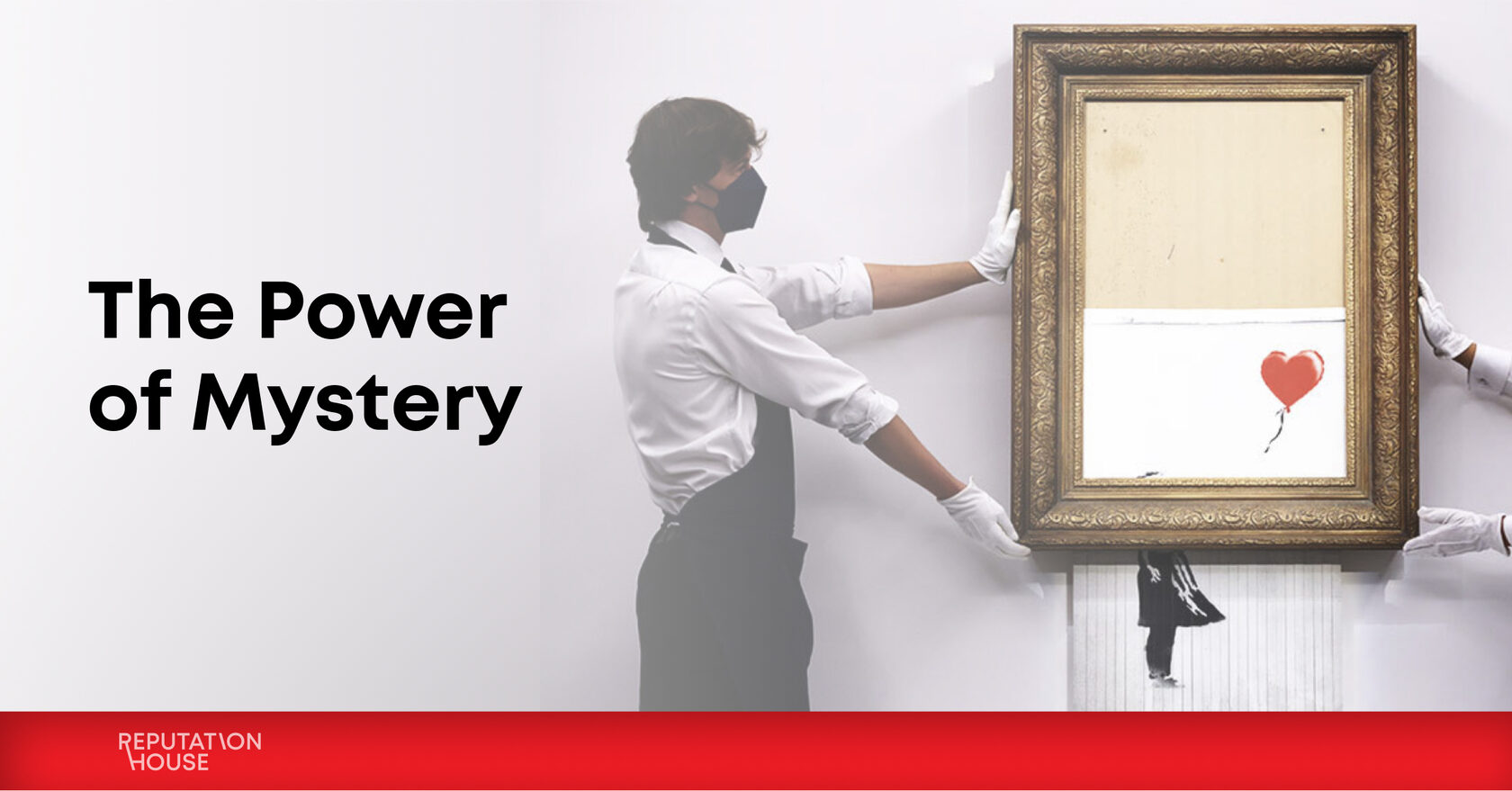
His works challenge authority, and his mysterious identity only increases demand. One of his most famous moments was when his painting "Girl with a Balloon" destroyed itself right after selling at auction. Instead of lowering its value, this unexpected stunt doubled the price.
Banksy understands that art collectors aren’t just buying paintings—they’re buying into a story.
Picasso: The Power of Continuous Branding
Unlike Van Gogh, Picasso mastered the business side of art. He ensured that his name would be immortal.
His approach?
-Massive output: He created over 50,000 works, ensuring that his name remained everywhere.
-Strategic networking: He built relationships with the right people, including critics, collectors, and gallery owners.
-Style evolution: He constantly reinvented himself, making sure he stayed relevant for decades.
Because of this, even his simplest sketches sell for millions today.
Frequently Asked Quetions
Does reputation matter more than talent in the art market? Talent is the foundation, but reputation proves to be the final element that collectors and investors base their decisions on.
Can a professional reputation be restored posthumously? Yes. Reputation is fluid; as seen with Van Gogh, critics and the public can rewrite a narrative long after the subject is gone.
How did Picasso master the "business" of his art? He used massive output, strategic networking with critics, and constant style evolution to ensure his name remained synonymous with modern art .
Why does Banksy use secrecy as a business strategy? Anonymity and mystery challenge authority and increase demand, turning a hidden identity into a powerful story that collectors want to buy into .
How does a single record-breaking sale impact a career? A major auction win or high-profile sale can instantly shift the market value for all of an artist's works, reinforcing their reputation cycle .
Can a professional reputation be restored posthumously? Yes. Reputation is fluid; as seen with Van Gogh, critics and the public can rewrite a narrative long after the subject is gone.
How did Picasso master the "business" of his art? He used massive output, strategic networking with critics, and constant style evolution to ensure his name remained synonymous with modern art .
Why does Banksy use secrecy as a business strategy? Anonymity and mystery challenge authority and increase demand, turning a hidden identity into a powerful story that collectors want to buy into .
How does a single record-breaking sale impact a career? A major auction win or high-profile sale can instantly shift the market value for all of an artist's works, reinforcing their reputation cycle .
Why Reputation Is Everything
Reputation is an invisible force that dictates who thrives and who fades away. Whether it’s an artist, a luxury brand, or a public figure, reputation shapes how much something is worth.
Van Gogh’s work became valuable only after his reputation changed. Banksy’s reputation makes his art worth millions. Picasso’s branding genius ensured that his name would outlive him.
The same principle applies everywhere—from the art market to corporate success. Those who understand how to cultivate and protect their reputation hold the key to lasting influence.