
Best Brand Reputation Monitoring Tools:
How to Choose (2026)
Search for the best brand reputation monitoring tools and you get a ranked list. The order tells you which tool paid for placement or ranked for the keyword. It rarely tells you which one is right for your company. So this is not another ranking. It is the decision framework behind one: the categories of brand reputation monitoring tools, the criteria that actually matter, and how to match a tool to your own situation. Use it and you can read any "best tools" list critically — including this sentence.
Why There Is No Single "Best" Brand Reputation Monitoring Tool
Tools in this space were built to solve different parts of the problem, and most solve one part well. A review platform that wins for a restaurant chain is the wrong choice for a fintech worried about AI descriptions and regulatory search results. "Best" is a function of your risk surfaces, your stage, and what you need to detect — not a universal ranking.
Start by knowing what you are buying. Brand reputation monitoring tools fall into a few categories:
Most teams own one or two of these and assume they are covered. The gap between categories is exactly where the unmonitored risk sits.
See your real-time picture
Before committing to a 24/7 program, get a current snapshot of where your reputation stands.
Risk Check by Reputation House scans search, AI, media, and reviews — so you know what a monitoring service needs to cover before you choose one.The Criteria That Actually Matter
Whatever "best tools" list you are reading, score each option against these criteria rather than its rank on the page:
Free vs. Paid Brand Monitoring Tools
Free tools and manual checks are a legitimate starting point: a free alert service notifies you of new brand mentions, and checking branded search and reviews costs only time. They give shallow coverage, no interpretation, and they miss the AI surface entirely. As volume and stakes grow, paid monitoring software earns its place by covering more surfaces, faster, with fewer blind spots — and the better ones add interpretation on top.
Integrated Detection Platforms: Covering All Four Surfaces
When a single category is not enough — typically for enterprise, regulated, or high-stakes brands — an integrated platform covers search, AI, media and social, and reviews together and reports interpreted risk rather than separate feeds.
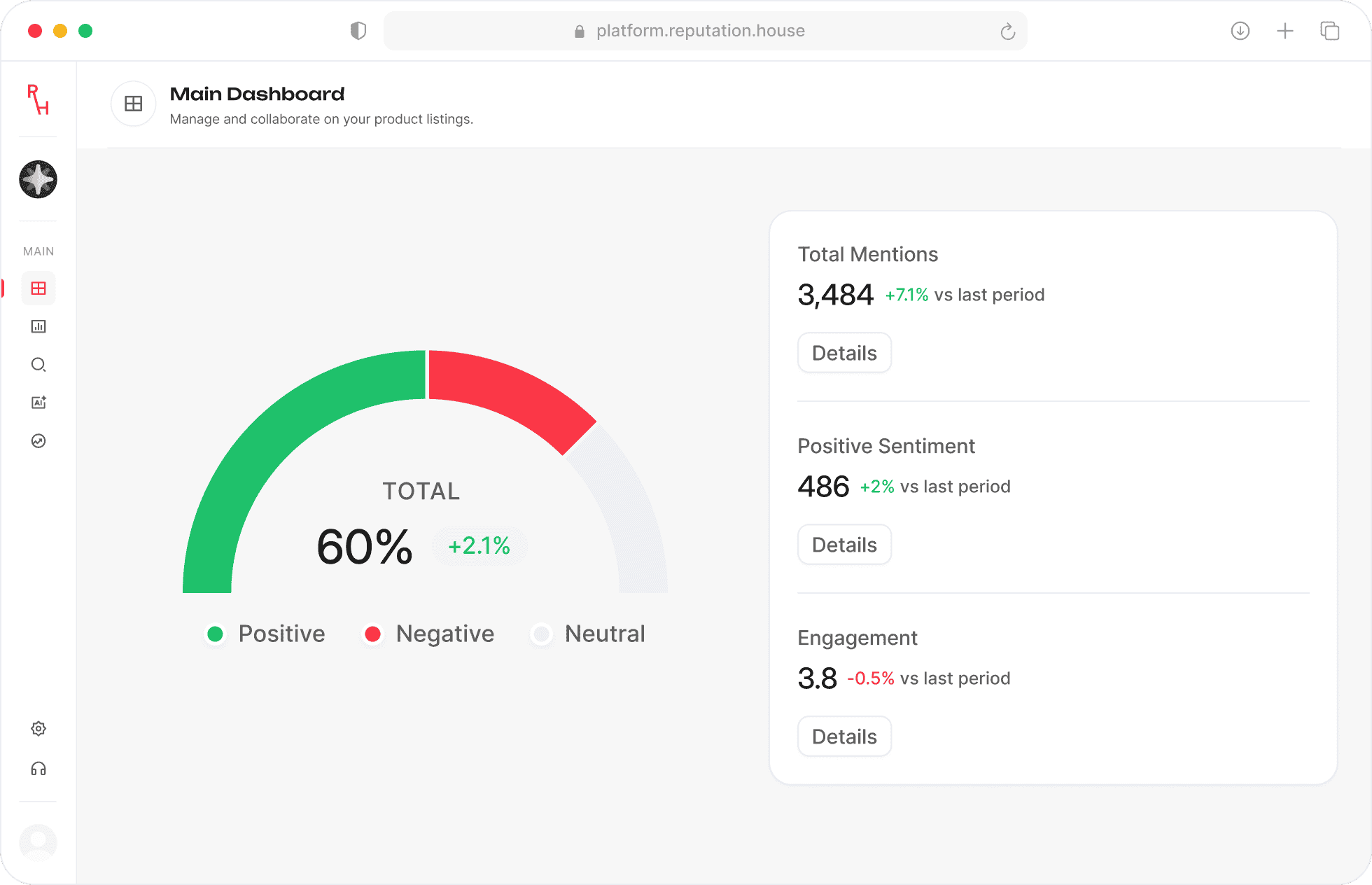
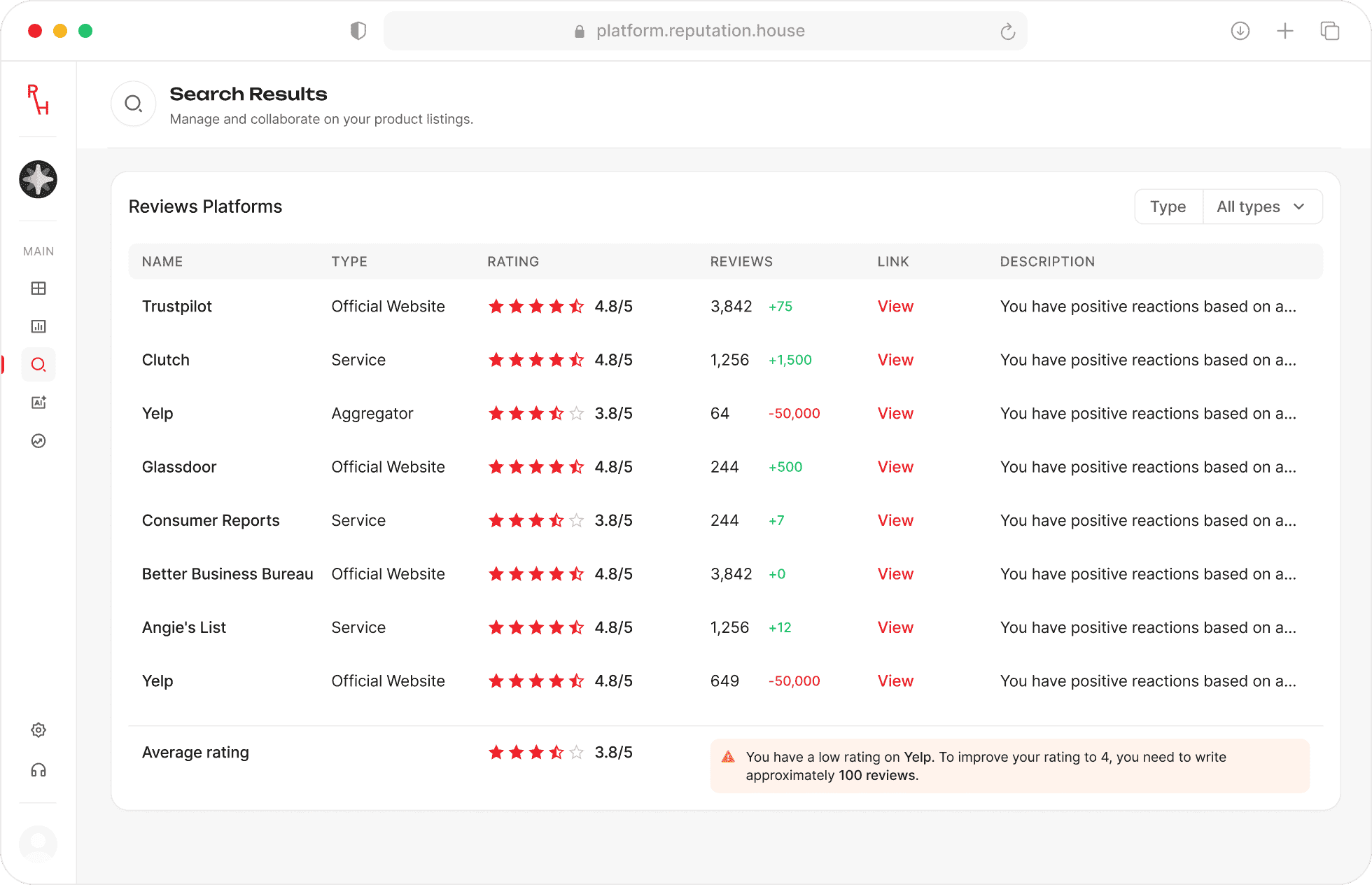
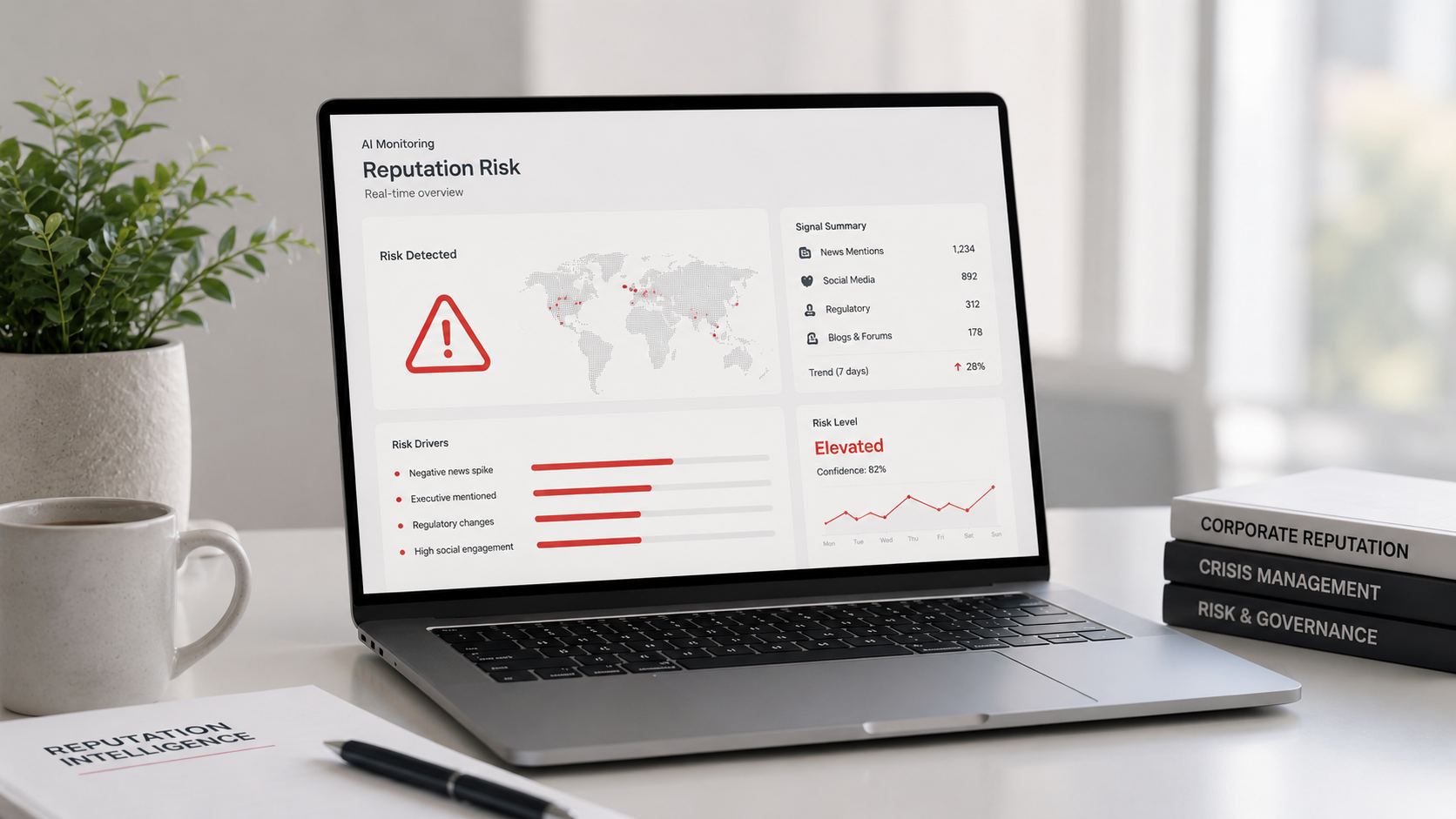
RH Detection, the monitoring layer of the Reputation House Risk Control Center, is an example of this category: an advanced brand threat detection software that scores against the criteria above — four-surface coverage including the AI layer, detection over raw monitoring, and an analyst layer that interprets signals before they reach you. For the AI surface specifically, the AI influence audit examines how assistants describe a brand. The point is not that one tool wins; it is that an integrated platform is the right category when your risk spans all four surfaces — whether you need RH Detection's software layer, or its service-led counterpart, online reputation monitoring.
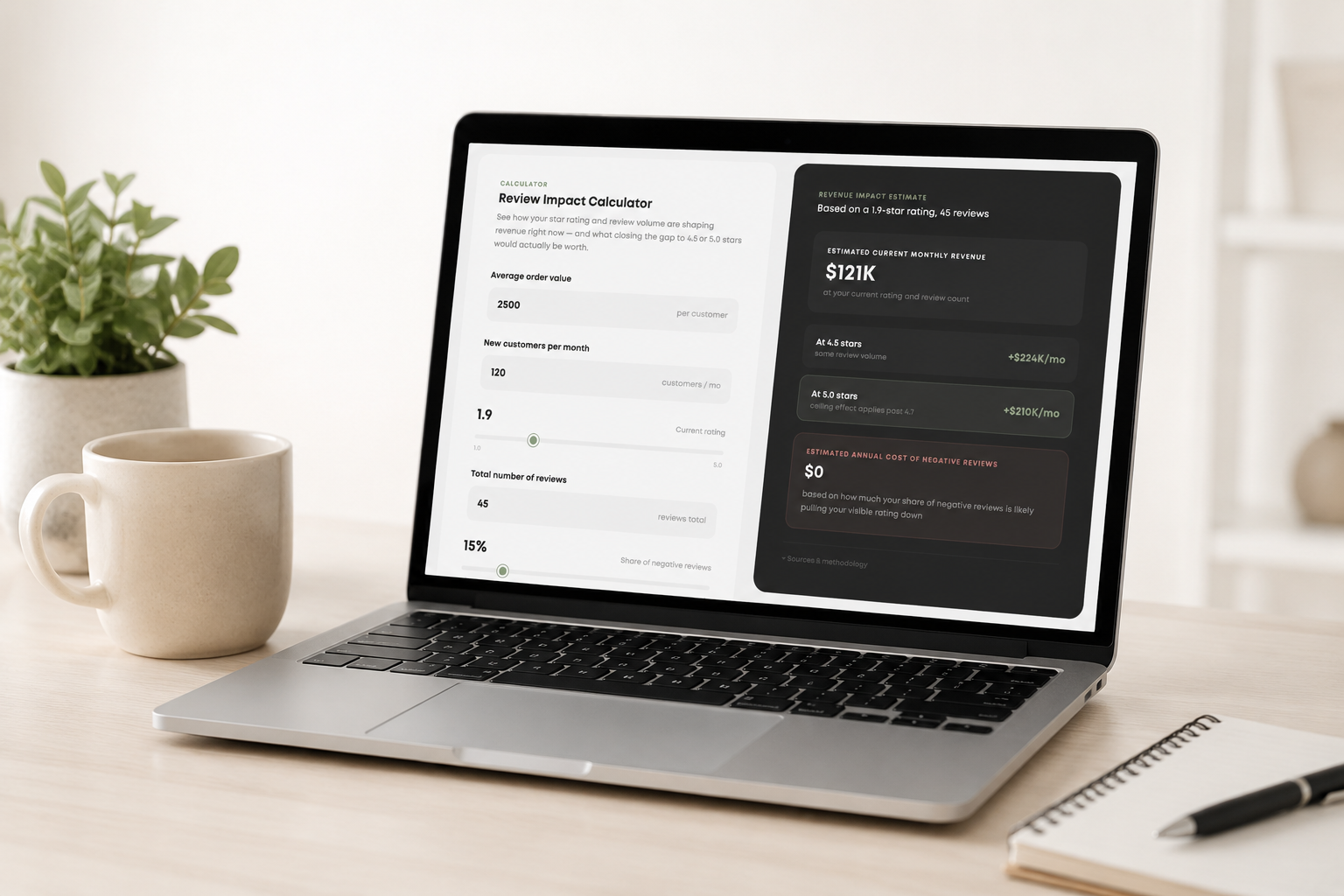
Curious what unmonitored risk is actually costing you?
Plug in a few numbers about your business and our ROI calculator will estimate what brand monitoring is worth for a company your size — no commitment, no sales call.
Match the Tool to Your Need
A quick mapping to cut through the rankings:
Common Mistakes When Choosing a Brand Monitoring Tool
Frequently Asked Questions

Kristina joined Reputation House in 2022 as Account Director and moved through Operations to become COO before being appointed CEO in 2026. She drove the company's shift from a reputation agency to a technology-driven digital risk management platform. Her expertise spans operational scaling, technological transformation, and international business development in the reputation and digital risk space.